

At Istanbul Airport, the Al-Salim family felt both excitement and belonging. The city had a reputation for contrast: ancient and modern, East and West, faith and art.
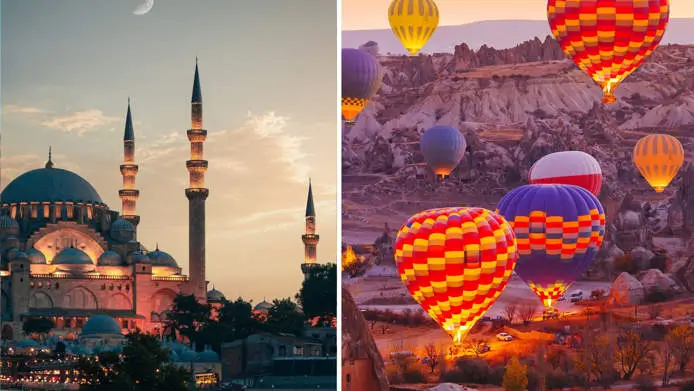
Their hotel in Sultanahmet offered a direct view of Hagia Sophia. On their first morning, they crossed to the Blue Mosque, pausing as the call to prayer echoed across the square. Even the children fell silent, absorbing the sound that tied centuries together.
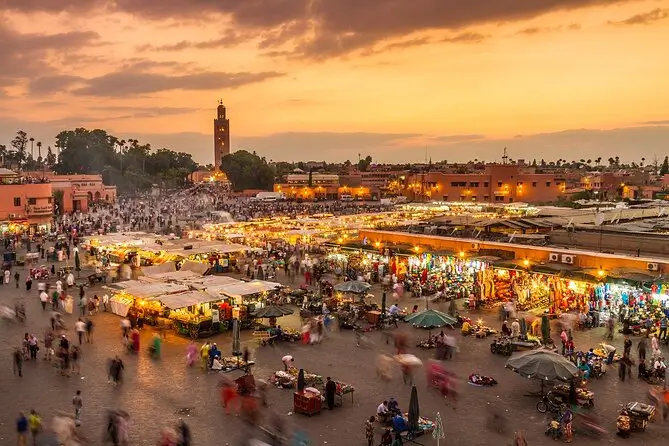
Days unfolded like layers of history. They explored the Grand Bazaar, where traders offered tea before prices, and visited Topkapi Palace to see how power once lived in harmony with design. Lunches were leisurely , kebabs grilled to perfection, followed by baklava and black tea.
One evening they boarded a ferry across the Bosphorus. As the city lights blinked to life, the father remarked, “It’s like watching history in motion.” On the Asian side, they found quieter neighborhoods filled with bookstores and seaside cafés.
Their final day was reserved for modern Istanbul. In Karaköy, art galleries and rooftop restaurants told a different story , one of evolution without erasure.
What they’ll remember most is how effortlessly the city balances its dual nature. If they return, they plan to travel onwards to Cappadocia, to see how Turkey’s landscape carries the same poetry as its cities. Istanbul convinced them that some places don’t need to choose between old and new; they simply live both.