Andalusia Reimagined : Walking Through Living Heritage
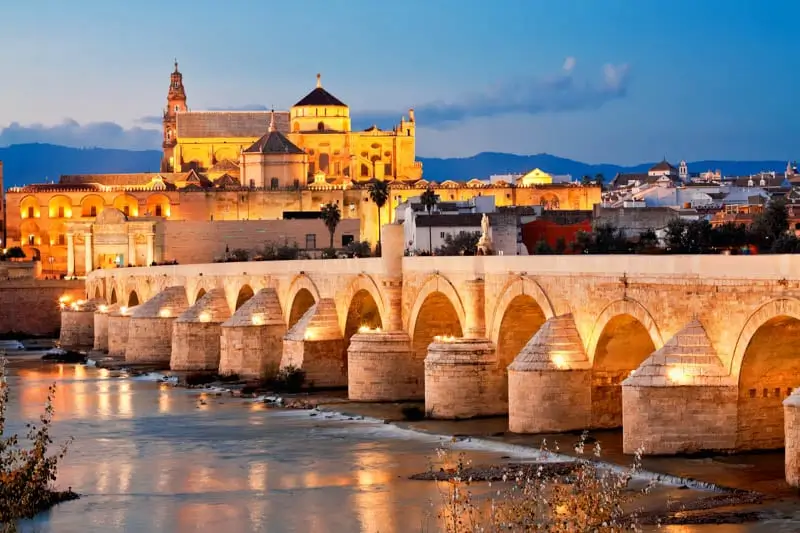
Córdoba
When the Al-Harbi family landed at Seville Airport, the mother, Reem, looked out at the warm light spilling over olive fields and said, “It already feels familiar.” Andalusia had been on their list for years, not just for its beauty but for what it represented, a place where Muslim, Christian, and Jewish cultures once shared the same skyline.
Their journey began in Córdoba, where the past seems to breathe through every street. The Mezquita left them silent; its alternating red-and-white arches looked more intricate up close than any photograph could show. Their children traced the patterns with curious fingers while Reem explained that this was once one of the world’s greatest centers of learning.
Afternoons were slower. They strolled along the Guadalquivir River, sampling local pastries from a café that offered mint tea on request. Every meal came with stories, about traders who brought spices from Damascus or scholars who debated under orange trees.
In Granada, the family stayed in a small boutique hotel near the Alhambra. Mornings were spent exploring the palace gardens, while evenings belonged to the Albaicín district, its cobbled lanes glowing under lantern light. At dinner, they spoke about how the architecture reflected something deeper: balance, craftsmanship, purpose.
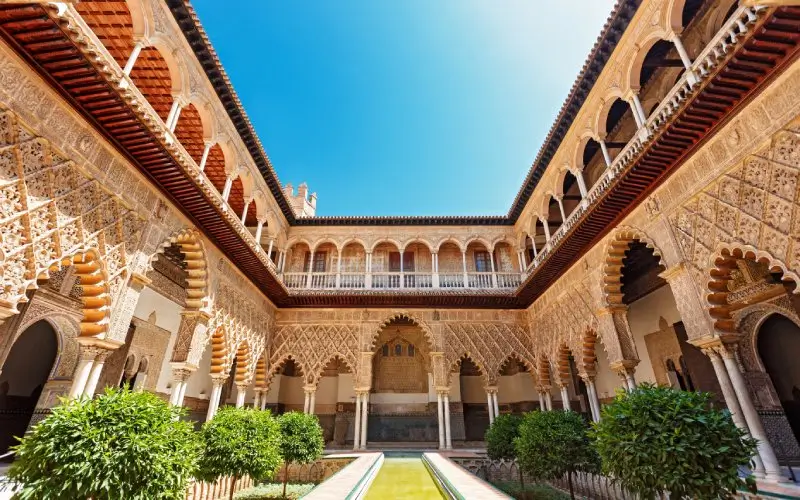
Their final stop, Seville, surprised them most. Modern and confident, it showed how Andalusia continues to evolve without erasing its past. Watching flamenco dancers perform in an old courtyard, Reem thought how rhythm and reverence could coexist naturally.
Andalusia left them reflective but energised , a reminder that heritage can inspire progress. If they return, they plan to visit Ronda and Malaga, to see how the story continues along the coast.